
Coin Identifier: Value Checker
Codabrasoft LLCTools
4.5256.00 Reviews
- Version
- 1.3.4
- Installs
- 100.00K
- Age Rating
- Everyone
Screenshots
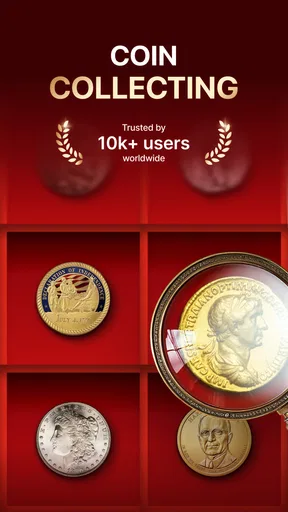
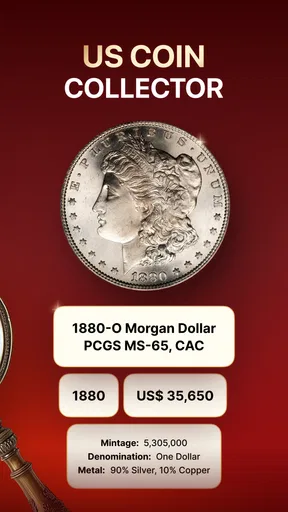
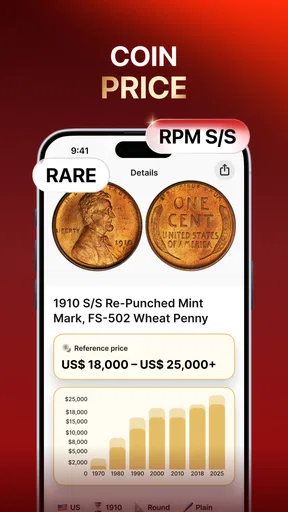
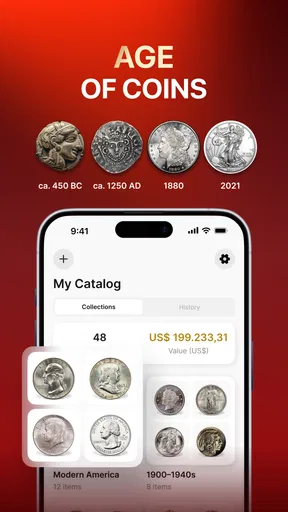
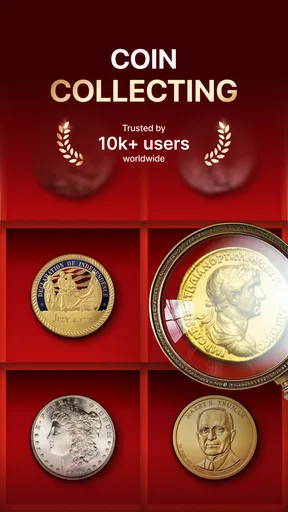
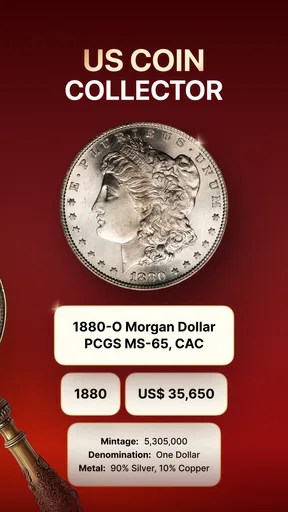
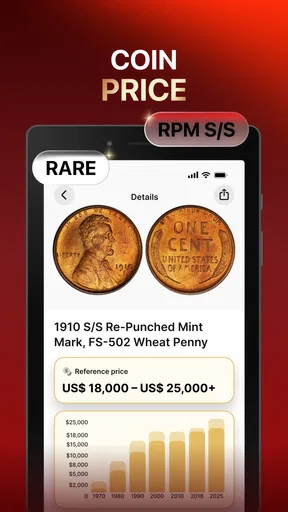
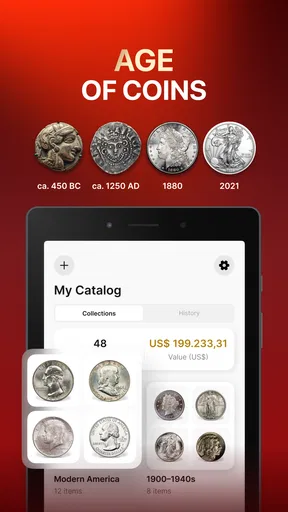
Our Review of Coin Identifier: Value Checker
 Analysis by Appyee
Coin collecting is one of those hobbies where a small object can carry a surprising amount of uncertainty. A coin may look familiar but belong to another country, have a different year, or be worth far less—or more—than a quick guess suggests. Coin Identifier: Value Checker is designed for that first moment of investigation. I tested it as a practical tool rather than treating it as a replacement for a professional appraisal, and I found its strongest role is helping you organize curiosity into a more useful starting point.
The app comes from Codabrasoft LLC and sits in the Tools category. It is free to install, aimed at Everyone, and supports devices running Android 8.0 or later. Its store presence is still relatively recent, having arrived on January 29, 2025, but it has already reached over 100 thousand installs and holds a 4.5 average from around 6.6 thousand ratings. Those figures suggest that the concept is easy for people to understand: point the phone at a coin, learn more about it, and keep the result with the rest of a collection.
What I found useful when identifying and organizing coins
I found the app most useful when I treated identification and cataloging as two separate steps: first make a tentative match, then check the coin’s visible details before saving it as settled. That small pause can keep one uncertain scan from shaping the rest of a collection. I also like sorting coins into manageable batches, which makes the next question—how quickly the app fits into that routine—easier to judge.
A practical first step for an unfamiliar coin
The most obvious use is also the one that makes the app immediately approachable. When I came across a coin I could not confidently identify, I did not need to begin with a specialist catalog or search through dozens of nearly identical images. The app gave me a more direct route from the physical coin to a possible identification and value reference.
That distinction matters. A visual identification tool is not magic, and I would not treat its result as final proof of authenticity, rarity, or sale price. Still, it can narrow the possibilities and tell me what details deserve closer attention. For a casual collector, that is often enough to decide whether a coin belongs in a personal album, needs more research, or is simply an interesting foreign piece.
I found the best results came from treating the scan as the beginning of a conversation with the app, not the end of the investigation. Clean lighting, a steady phone, and a clear view of both sides should make the process more useful. Coins with worn lettering, unusual damage, strong glare, or partial obstruction are naturally more difficult for any image-based identifier, so I would double-check an uncertain result before making a purchase or sale.
Value estimates need a collector’s judgment
The value feature is appealing because it answers the question most people ask after identification: “What is this worth?” In practice, I see it as a reference point rather than a guaranteed market quote. A coin’s condition, mint mark, variety, authenticity, demand, and selling venue can change its real value substantially. Two pieces that appear similar in a quick photo may not be equally desirable to collectors.
My advice is to use the displayed value to decide what deserves further attention. If the app points to a potentially interesting coin, inspect it under better light, compare its markings with a reputable numismatic source, and seek a specialist opinion before spending or accepting serious money. This workflow prevents a common mistake: confusing an automated estimate with a professional grade.
There is also a useful psychological benefit. Instead of assuming that every old coin is valuable, I can use the app to create a more disciplined shortlist. That saves time when sorting inherited coins, mixed foreign change, or a box collected over many years. The app is most helpful when it reduces the amount of random searching I have to do.
Collection management is more valuable than a one-time scan
The feature that makes this more than a novelty is the ability to track and manage an entire coin collection. I would use that side of the app after identification, while the physical coin is still in front of me. Recording pieces immediately is better than relying on memory, especially when several coins share similar designs or come from the same country.
A sensible workflow is to separate discovery from verification. First, identify the coin and note the result. Next, compare the visible details with the coin itself, including the year, denomination, lettering, and any mint information that can be read. Only then should I treat the entry as part of my organized collection. This small pause helps prevent an early recognition error from becoming a permanent cataloging error.
For inherited collections, I would begin with broad groups rather than trying to perfect every entry in one sitting. Foreign coins, commemorative-looking pieces, damaged coins, and duplicates can each be reviewed in batches. The app’s collection focus makes that process less overwhelming because I can turn an untidy pile into a sequence of manageable decisions.
Where the app fits beside traditional alternatives
Compared with a printed coin catalog, this app is faster for a first pass and easier to carry around. A book remains stronger when I want detailed historical context, side-by-side variety comparisons, or a dependable reference for subtle differences. Compared with a general web search, the app is more convenient when I do not know the correct words to describe a coin. Search engines are still better when I need auction history, specialist discussions, or confirmation from multiple sources.
It also differs from a spreadsheet or a general notes app. Those tools offer more freedom, but they require me to design the collection system myself. Coin Identifier: Value Checker is more focused on the path from recognition to collection tracking. That focus is helpful for beginners, while advanced collectors may eventually want a more specialized catalog with deeper grading and inventory controls.
The strongest setup is not choosing one tool forever; it is using this app for discovery and organization, then moving important decisions to specialist references. That division of labor gives the app a realistic place in a collector’s routine without asking it to do a professional’s job.
A realistic everyday scenario
Imagine sorting through a relative’s drawer after finding several coins mixed with ordinary change. I would photograph one piece at a time, record the likely identity, and place it into a collection group instead of leaving the coins in one uncertain pile. A duplicate could be marked for later comparison, while a worn or unusual coin could be set aside for a closer inspection.
That approach is more useful than scanning everything quickly and trusting every result. It creates a trail of decisions: what was identified, what looked uncertain, and what may deserve outside advice. If the collection is later shared with family or taken to a dealer, that preparation makes the conversation clearer. The app does not replace the physical inspection, but it helps me arrive at that inspection better organized.
Trust begins with visible choices
Because the app handles images of personal possessions and may become a record of a collection, I would pay attention to every permission prompt and privacy choice shown during use. I would grant only what is necessary for the action I am taking, such as allowing camera access when I want to capture a coin, and I would review any request that appears unrelated to identification or collection management.
I also prefer to photograph coins against a plain surface and avoid including documents, addresses, faces, or other personal items in the frame. Even when the subject is only a coin, careful framing is a simple way to reduce unnecessary exposure. This is especially sensible when scanning an inherited collection that may be photographed near paperwork or storage labels.
The app is free to install, but in-app purchases range from $7.99 to $49.99 per item. That makes it important to read the purchase screen carefully before confirming anything. I would first use the free experience to understand whether the recognition and organization workflow suits me, then decide whether an optional purchase provides enough value for my collecting habits. A casual user may not need to pay, while someone cataloging a large collection may judge the convenience differently.
Control matters more than convenience
I like tools that let me remain in charge of the underlying collection. Before investing serious time, I would check how entries can be edited, corrected, or removed and whether the app gives clear choices around account access and stored information. These are not glamorous features, but they determine whether a collection remains manageable after the initial excitement fades.
I would also avoid entering a value as though it were a confirmed sale price. A better habit is to treat the app’s result as an estimate attached to a specific identification, then update my own notes when better evidence appears. If the app allows corrections, I would use them promptly rather than allowing duplicate or mistaken entries to accumulate.
Another useful habit is to keep especially important physical coins separate from ordinary pieces while reviewing them. A digital record can help me remember what I found, but it cannot protect the coin from scratches, cleaning damage, or accidental mixing. For valuable or sentimental pieces, safe storage and independent verification remain more important than a convenient catalog entry.
Limitations I would consider before installing
The app is not the right choice for someone expecting a certified appraisal from a photograph. Coin value is affected by details that may be difficult to capture on a phone, and an automated result can be misleading when a coin is counterfeit, heavily worn, cleaned, damaged, or a rare variety. If I were preparing a formal sale or insurance record, I would use a qualified numismatist or established grading service instead.
It may also frustrate collectors who already maintain a detailed system with specialist references. If your collection depends on advanced variety attribution, formal grades, provenance, or auction comparisons, a focused identification app may feel too limited as the main database. In that situation, I would use it only for quick recognition and keep the authoritative record elsewhere.
There is a smaller but important limitation for people with privacy concerns: any app that analyzes coin images deserves a careful look at its permission prompts and available controls. I would not assume that convenience automatically means every setting is appropriate for me. Taking a moment to review choices is part of using the tool responsibly.
Who should give it a try
I think it is a good match for beginners, families sorting inherited coins, travelers returning with unfamiliar currency, and casual collectors who want a cleaner way to remember what they own. It is particularly useful when the main problem is not advanced grading but uncertainty: “What is this coin, and should I investigate it further?”
It can also help parents introduce children to collecting because the process turns an ordinary object into a small research project. With supervision, a child can compare the physical design with the identification, notice countries and dates, and learn why a value estimate is not the same as a guaranteed price. The Everyone content rating makes it suitable for that broad audience, although adults should still guide any purchase decisions.
I would skip it as a primary solution if I already have a carefully maintained specialist catalog or if I need legally dependable valuations. I would also be cautious about paying for expanded functionality before I know how well the basic workflow handles my particular coins. The free starting point makes that evaluation relatively straightforward.
My final view after using it as a collector’s assistant
Coin Identifier: Value Checker succeeds when I use it as a bridge between seeing a coin and understanding what to do next. Its combination of identification, value guidance, and collection management is more useful than a simple scanner because it encourages an ongoing record rather than a single moment of curiosity.
My recommendation comes with a clear boundary: trust it for organization and preliminary research, not as the final authority on rarity, authenticity, or sale value. The most careful experience comes from photographing only the coin, reviewing permissions and purchase choices, correcting uncertain entries, and confirming important discoveries through independent numismatic sources.
At version 1.3.4, the app presents a focused tool for people who want a simple entry into coin collecting without building a system from scratch. I would recommend trying the free version if you have an unsorted group of coins or regularly encounter pieces you cannot identify. If your needs are professional or highly specialized, a catalog and expert reference will remain the better foundation, with this app serving as a convenient first look rather than the final word.
Verdict
Strengths of Coin Identifier: Value Checker
- Quickly identifies many common coins using your phone’s camera.
- Useful reference for checking approximate coin values on the go.
- Simple interface makes it accessible for beginners and casual collectors.
- Can help organize initial research before consulting a professional.
- Convenient tool for comparing coins from different countries and periods.
Limitations of Coin Identifier: Value Checker
- Recognition may be inaccurate with worn, dirty, or poorly lit coins.
- Estimated values can differ from real market prices and auction results.
- Rare or unusual coins may not be supported by the database.
- Some features may require an internet connection or paid access.
- Camera-based results should not replace authentication by a numismatic expert.
Similar Picks in This Category
View All
Google LLC4.0

Gboard - the Google Keyboard
Google LLC4.5

Google Play services
Google LLC4.3

Google Play Store
Google LLC4.9

Files by Google
Google LLC4.5

SHAREit: Transfer, Share Files
Smart Media4U Technology Pte.Ltd.4.3
Frequently Asked Questions
What is Coin Identifier: Value Checker used for?
Coin Identifier: Value Checker is designed to help users recognize coins and learn more about their possible value. You can typically use the camera or upload a coin image to receive identification details, historical information, and an estimated market value. It is useful for beginners, casual collectors, and anyone who wants a quick first impression before researching a coin further.
How accurate is the coin identification and estimated value?
The app can be helpful for identifying common coins when the photo is clear, well lit, and shows both sides of the item. However, its results should be treated as an estimate rather than a professional appraisal. Condition, mint marks, rarity, authenticity, demand, and current market prices can significantly affect value, so valuable coins should be checked by a qualified dealer or numismatist.
What kind of photos should I take for the best results?
For better recognition, place the coin on a plain, contrasting surface and avoid glare, shadows, and extreme angles. Make sure the entire coin is visible and focused, then photograph both the front and reverse sides whenever possible. Close-up images of mint marks, dates, or unusual details may also improve the result, especially when the coin is worn or difficult to identify.
Does Coin Identifier: Value Checker require an internet connection?
Some features may work only when the device is connected to the internet, particularly image recognition, database searches, advertisements, and updated pricing information. Availability can depend on the app version and the specific feature being used. If you plan to identify coins while traveling or at a market, check the app beforehand to see which tools remain available offline.
Is the app suitable for buying, selling, or authenticating valuable coins?
The app can be a convenient starting point for learning about a coin, comparing basic information, and forming a rough value estimate, but it should not be the only basis for a purchase or sale. Digital identification cannot reliably confirm authenticity or accurately grade every coin. For rare, expensive, or historically important pieces, obtain an independent evaluation from a trusted professional.
